

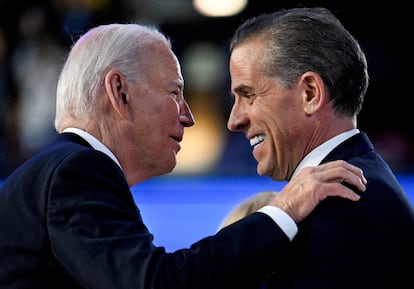
President Biden pardons son Hunter Biden amid political and historical context.
President Joe Biden issued a “full and unconditional” pardon for his son, Hunter Biden, on December 1, 2024. The pardon addresses charges of tax evasion and illegal gun possession linked to his struggles with addiction in 2018, covering potential crimes committed from January 2014 to December 2024. Biden defended the decision, asserting it was necessary to counteract a politically motivated prosecution, while critics have argued it undermines judicial independence and ethical governance. Hunter Biden, who faced up to 42 years in prison, expressed gratitude and vowed to support others battling addiction.
The pardon has reignited debates about the ethical use of presidential clemency, a tool often criticized for perceived favoritism. Notable historical cases include:
– Richard Nixon: President Gerald Ford controversially pardoned his predecessor in 1974 for any crimes he might have committed during the Watergate scandal. Ford argued it was necessary to heal the nation, but the decision cost him significant political support.
– Marc Rich: In 2001, President Bill Clinton issued a pardon to the billionaire financier charged with tax evasion and illegal trading with Iran. The pardon was widely criticized, as Rich’s ex-wife had made significant donations to the Democratic Party.
– Chelsea Manning: President Barack Obama commuted Manning’s 35-year sentence in 2017 for leaking classified military documents, a decision praised by human rights advocates but criticized by national security officials
Descubre más desde
Suscríbete y recibe las últimas entradas en tu correo electrónico.













Deja un comentario